Fisheries & Sustainability
Fisheries are complex systems — biological, social, and political all at once. Navigating them takes more than a checklist. At Vekamar, we work alongside fishing operators, producer organisations, and supply chain actors to build fisheries that are ecologically sound, commercially resilient, and ready for the scrutiny that markets and regulators now demand.
Whether you are preparing for certification, designing an improvement plan, or trying to understand what your supply chain is actually telling you — this is where we start.
Sustainability Certifications
Certification is increasingly the entry ticket to major markets — and a signal to buyers, investors, and regulators that a fishery is being managed responsibly. We guide clients through the full certification process: from initial gap analysis and pre-assessment to audit preparation, third-party liaison, and post-certification compliance.
Standards we work with: MSC (Marine Stewardship Council), Fair Trade, MarinTrust, CSI, and others on request.
Fisheries Improvement Programmes (FIPs and IPs)
Not every fishery is certification-ready from day one — and that is perfectly normal. FIPs provide a structured, time-bound pathway to improvement, recognised by buyers and international bodies alike. We design and manage FIP plans grounded in scientific evidence: identifying where the gaps are, setting realistic milestones, and keeping the programme on track through active monitoring and stakeholder coordination.
This includes: bycatch reduction strategies, gear selectivity improvements, stock assessment support, and engagement with fishery management bodies.
Fishery Sustainability Assessments
Before committing to a certification or improvement pathway, it helps to know exactly where you stand. Our assessments provide a clear, independent picture of a fishery’s ecological footprint: stock status, habitat impacts, ecosystem interactions, and management performance against international benchmarks.
We apply an ecosystem-based approach (EBFM) and tailor assessments to the specific context — large-scale industrial operations, small-scale and artisanal fisheries, and data-limited situations where standard methods need adaptation.
Value Chain & Traceability
Sustainability claims only hold if the chain of custody does. We work with producers, processors, and buyers to design traceability systems that are robust, auditable, and proportionate to the operation — from basic catch documentation to full digital traceability across complex supply chains.
We also support due diligence processes for companies needing to verify the sustainability credentials of their suppliers, including responding to retailer questionnaires and preparing for regulatory requirements (EU EUDR, IUU regulations, etc.).
Monitoring, Observation & Data Collection
Good management depends on good data. We design and implement monitoring programmes — including onboard observer schemes, electronic monitoring support, and catch sampling protocols — and analyse the resulting data to inform management decisions and fulfil reporting obligations to RFMOs and national authorities.
Monitoring programmes and data collection systems that support better management decisions and reporting obligations.
Our Projects
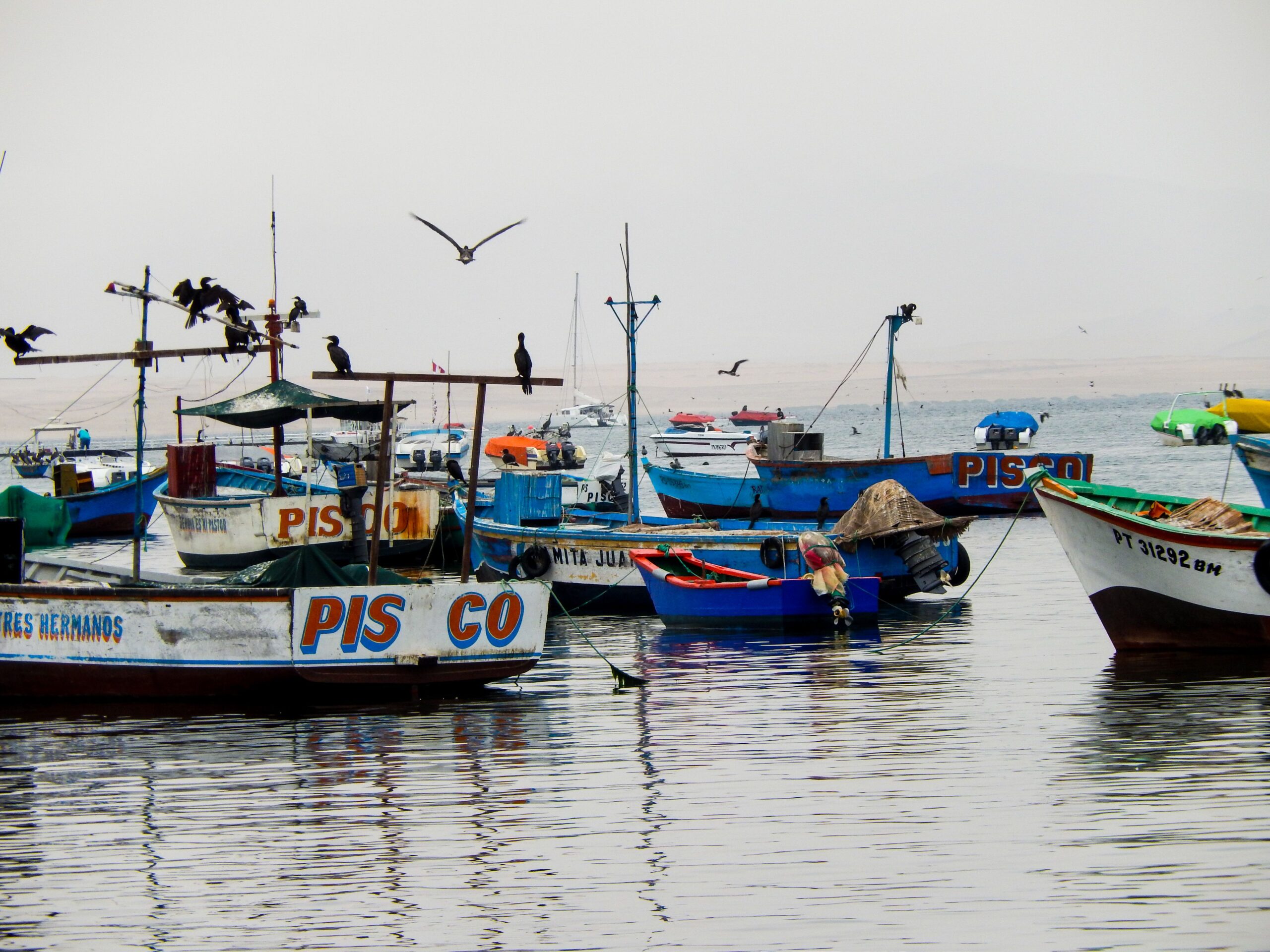
MSC Certification — Eel Fishery, Peru
Small-scale fisheries in data-limited environments face a particular challenge when pursuing MSC certification: the standard was built with larger, better-documented operations in mind, and adapting the evidence base to fit is rarely straightforward.
Vekamar worked with one of the first eel fisheries in Peru to achieve MSC certification, entering the process at pre-assessment stage and remaining involved through to the full audit. The core of our work focused on two interconnected challenges: demonstrating the fishery’s impact on the broader ecosystem — including habitat interactions and non-target species — and building a credible, auditable picture of bycatch levels and mitigation measures in place.
This meant working closely with the fishing operation to identify what data existed, what needed to be generated, and how to present both in a way that met MSC requirements without overstating what a small artisanal fishery could realistically produce. The result was a certification that held — grounded in honest science and a clear-eyed assessment of where the fishery stood and where it needed to go.
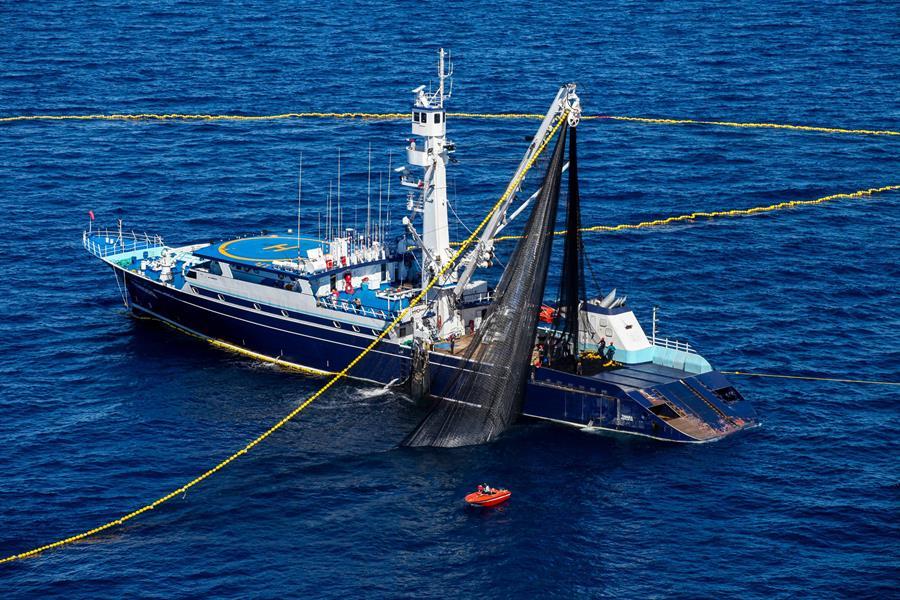
Tuna Fishery Sustainability Assessment — Large-Scale Fleet, Eastern Pacific
Large-scale tuna fisheries operate across complex ecological, operational and regulatory systems. Assessing their sustainability means looking beyond target stock status to understand how different fishing strategies interact with the wider ecosystem, how impacts are monitored, and whether management and traceability systems work effectively across an entire fleet.
Vekamar provided technical expertise throughout the sustainability assessment of a purse seine tuna fishery operating in the Eastern Pacific, targeting yellowfin and skipjack tuna. Our work combined ecosystem and fisheries management analysis with direct engagement with the fishing sector, scientists and relevant authorities, examining issues ranging from interactions with sharks, rays, marine turtles and marine mammals to monitoring, compliance and traceability.
A central part of the work was turning a large and sometimes fragmented evidence base into a clear picture of how the fishery operated in practice — identifying where existing measures were effective, where evidence needed strengthening, and where practical improvements were required. The result was an assessment grounded not only in science and regulation, but also in a detailed understanding of fishing operations and the realities of implementing sustainability measures at fleet level.
Certifications
Let’s Work Together!
Looking for reliable expertise in sustainable fisheries, marine conservation, or certification processes? Get in touch with our team to explore tailored solutions for your organization.